
THE BOOKWORMERY
Unpaywalled birthday celebrations!

Hello and welcome one and all to The Bookwormery! This week’s letter is best described as an assemblage of thoughts - on, for example, the discovery that nine out of ten of the bestselling books in the UK this week have the murder of a woman as their main plot point/inciting incident/narrative hook, on the landlord that tried to evict a man for having too many books in his apartment, more books (after last week’s core list) that shaped my feminist sensibility - plus my joy in rediscovering the tiny children’s book that made me realise language itself, as opposed to the reading of stories, could be a thing to delight in, a missing Wombles link and assorted other bits and pieces. Including - and I hope you won’t mind me straying off the beaten bookish path here - a few things I got for my birthday that I thought (assuming as I do that we are all fairly likeminded souls) you might like as much as I do, plus of course my week in reading. And because it’s my birthday, this is also an unpaywalled post. I’m not quite sure of the logic behind that, but it feels right and so, without further ado apart from a Share button, let’s sally forth!
Happy Beginnings
I’ll tell you what - let’s open with the Wombles rather than murder, shall we? Although it’s going to make for a hell of a segue afterwards. But I’ll worry about that when I come to it.
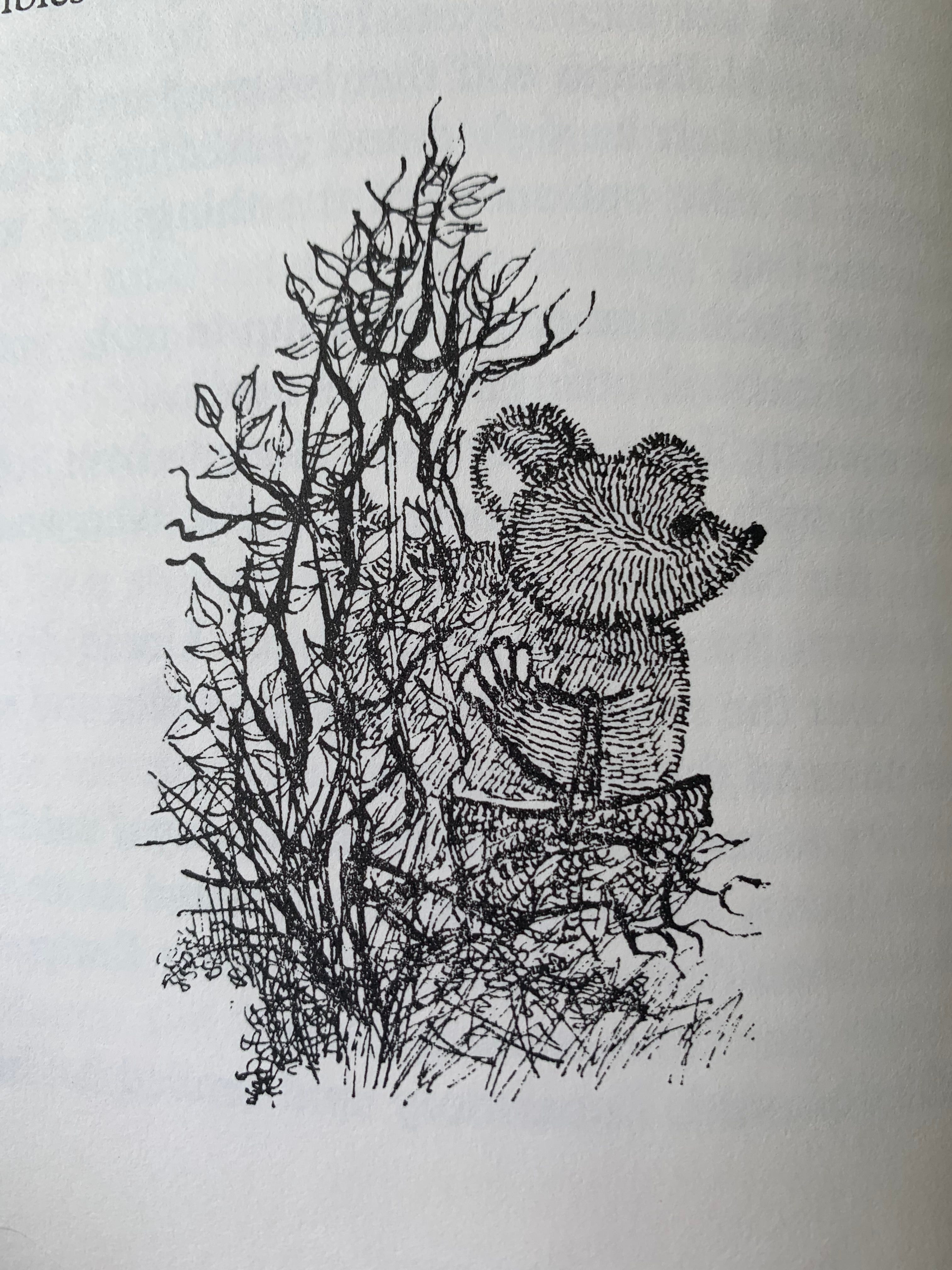
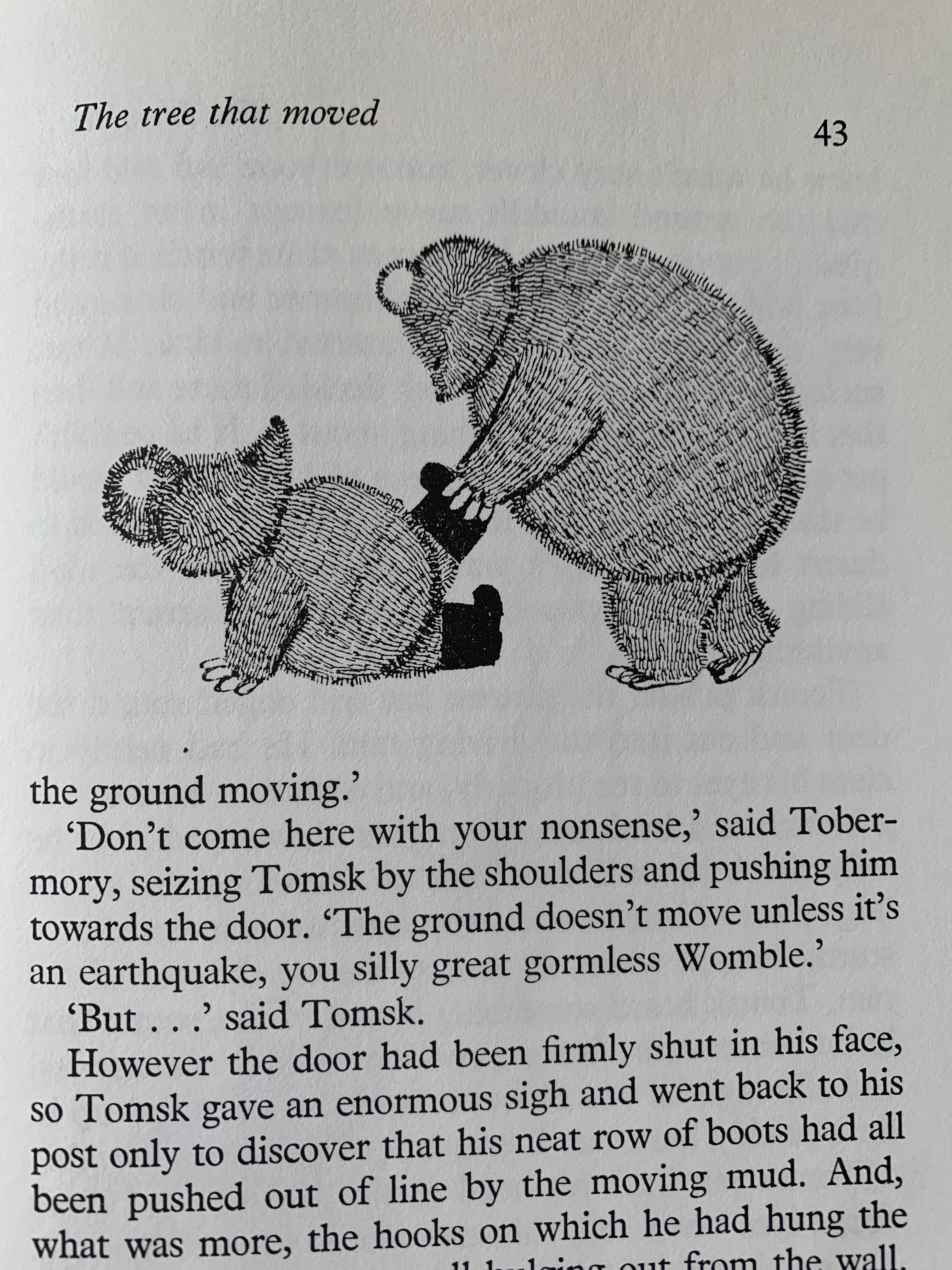
A few posts ago I talked about the original illustrations of The Wombles by Margaret Gordon. I was secretly annoyed because I couldn’t lay hands on my first edition to show you the real thing. But now I can and I will! Here it is, and here are the bear-like creatures actually envisaged by Elisabeth Beresford when she first came up with the idea of these charming, burrow-based creatures (in the process giving child introverts a dream of living quarters that would never die):
But I had forgotten that the purity persisted through one more illustrator before television got their hands on the beasts and made them into pointy-nosed, hairy (completely different from furry) creatures that the books’ pictures had to follow thereafter. Here is Oliver Chadwick, the last to hold - almost literally - the line:
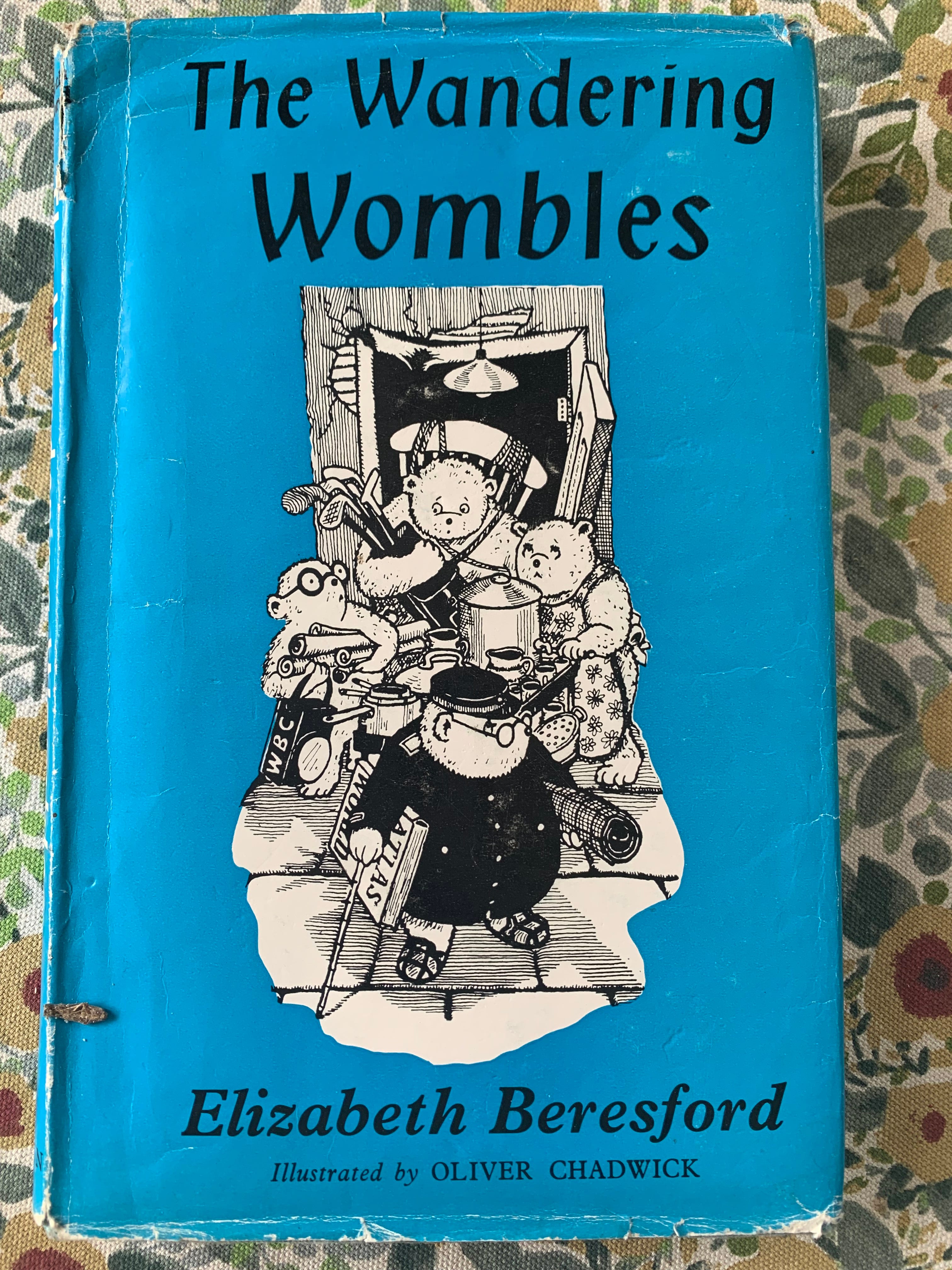
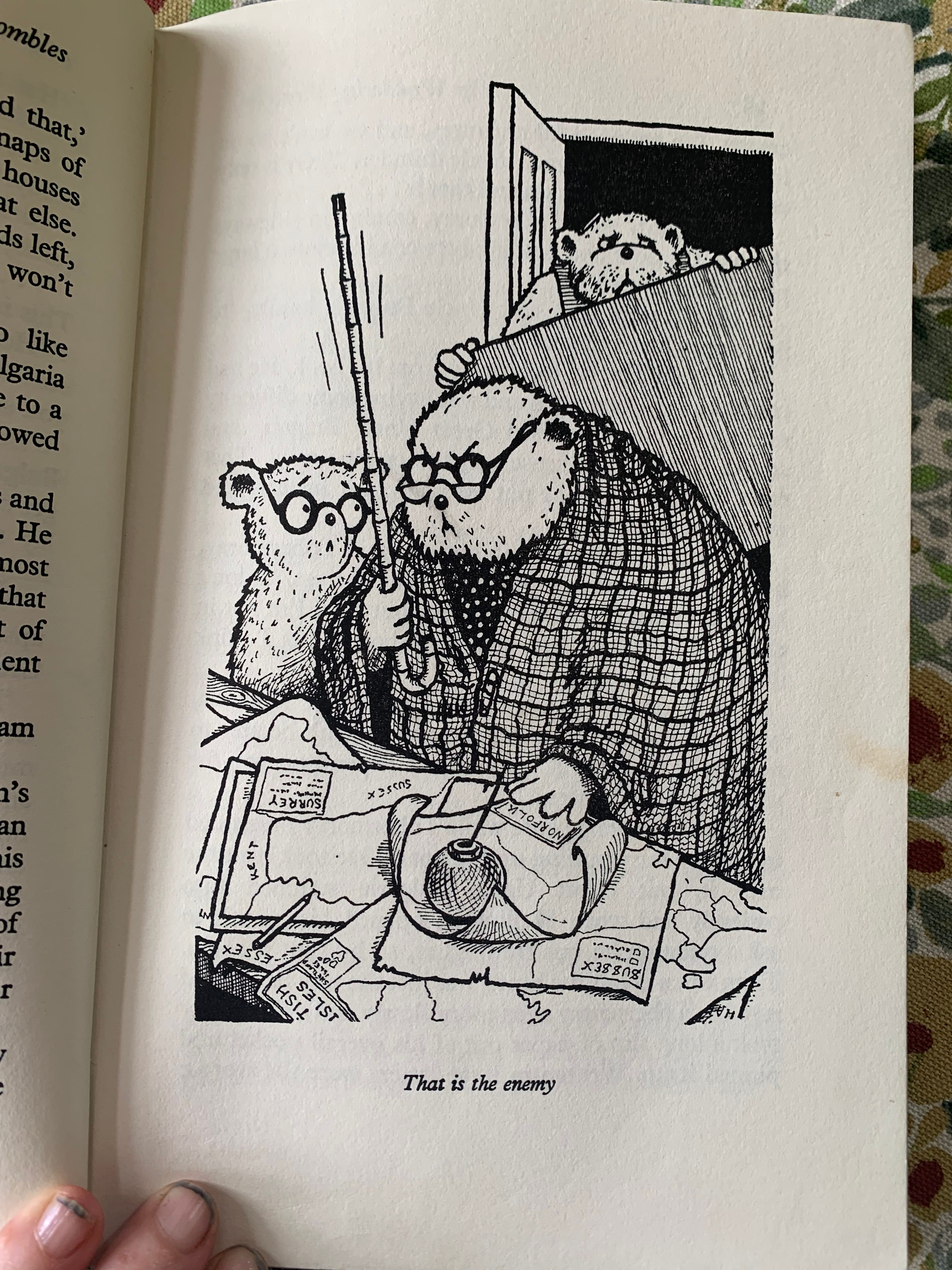
I would not be without the TV series. But I do much prefer my Wombles as large teddy bears. It gives me - or the me I was - an even greater dose of the cosiness, comfort and security that were, looking back, the thing that I, as a fairly anxious child, loved most about these warm and lovely stories.
SEGUE TIME!
And now - murder! But we’ll begin lightly, with a quiz whose answer has already been pretty much revealed. Which of these ten bestsellers is the odd one out?
The Secret of Secrets
The Divorce
The Names
The Family Friend
The Widow
The Impossible Fortune
The Hallmarked Man
The Correspondent
My Husband’s Wife
Boleyn Traitor.
That’s right - it’s The Correspondent (which I bought last week and still haven’t started, despite longing to, because of stupid life and work and the insistence of this family on being fed and talked to every day). Virginia Evans’ epistolary tale is the only one not to centre round the death of a female character.
Author Wendy Jones pointed out on Instagram that this looks…bad. Unedifying. And at first blush it certainly does. That dead women feature so heavily in fiction across genres (from historical fiction to crime to domestic noir, we can pick out here) undoubtedly says something about readers’ appetites, writers’ preoccupations and thus about society itself.
But - I’m not sure that it necessarily says something bad. And not just because I read a lot of crime fiction and I can’t remember the last one that didn’t contain a female victim. I’m not upset by it. I expect it. I even - and this is where things get tricky - prefer it to a male victim.
I tend not to care about male victims. Adult males, at least - any child involvement, boy or girl is different and in fact I will almost always abandon a book if I’ve inadvertently started one that depends on it. Even with the distance offered by print, it’s too much.
Men dying? Meh. But - honestly - not because they are men. But because it generally portends a story about drug deals gone bad or some other metaphorically bloodless shenanigans. Stupid, greedy decisions about money resulting in plenty of plot convolutions but providing little emotional heft and thus little reader engagement. People who are victims essentially of their own freely-chosen decisions are hard to care about.
When women are murdered in books, it is usually because their decisions have been forced - by lack of options, by people lying to them, pretending to be something they are not, by simple physical overwhelm. They deserve justice and the perpetrator deserves punishment. You care and are compelled to read on.
This divide reflects (in broad brush terms) how murder works in real life. Men are mostly murdered by other men as a result of momentary violence and anger, or as part of their involvement in other criminal activities. Women, famously and grimly, die mostly at the hands of men they know. Two a week are killed by their partners, a figure so astonishing, so appalling and yet so accepted that the cognitive dissonance should cripple us all.
And this, I think, explains why so much crime fiction is written and read by women. This is where we get our justice. This is where we learn survival tactics. This is where we learn what red flags to look out for. This is where we rehearse for worst case scenarios which are still well within the bounds of reality as it is currently constituted. This is where we put and vent our rage at the collective position of our sex, at our vulnerability, at our powerlessness. Crime writers care even if the courts do not. The very coldest comfort, but are we not to take it where we can?
How Many Books Is Too Many Books?
The full story is here and it should be free to read, but the gist is that scholar and writer Mendel Uminar and his collection of 10,000 books were happily living together in a 600 square foot studio apartment on Manhattan’s Upper East Side (I now have a competitor to my burrow-dreams) until the building management company said he was violating the terms of his lease by accumulating such fire hazards and began eviction proceedings. Uminar fought back for a while, but ultimately moved out.
I think this is further evidence for two beliefs I have long held. The first is that books scare (some) people. They just do. To a certain type of person they represent knowledge that is being kept from them, that is making the owner think he/she is cleverer, better than them and makes them lash out. Usually they don’t have the power to make your life anything other than passingly unpleasant, but obviously this is never true for landlords.
And the second is that the number of books you own in always wrong for someone. If it’s none, that seems wrong to people like me and (probably) you. If it’s hundreds it will seem like silly clutter to some, just right to many, a good start to others. Into the thousands and - well. Madness, fetishism, hoarding, a beautiful dream, an ideal home, still just a good start… Sometimes all at the same time. I certainly view my own collection in different lights at different times and I do not dismiss those who say I’ve gone to far or that I have a psychological rather than simply shelving problem.
But I’m happy. And I hope Uminar, who has now apparently moved into a larger apartment, is too.
Feminism!
Two books I meant to include in the big piece last week and somehow did not are Grow Up, Cupid by June Oldham, one of the lodestars of my teenage life, and the recent piece of non-fiction brilliance by Corinne Low, Femonomics.
The former, originally published in 1986 by Viking and then as part of the Puffin Plus series two years later, which as you will see below is when I got my hands on it (a gift from my dad, the greatest instinctive feminist I have ever known, due simply to the fact he had the strongest, simplest sense of fairness anyone could have).
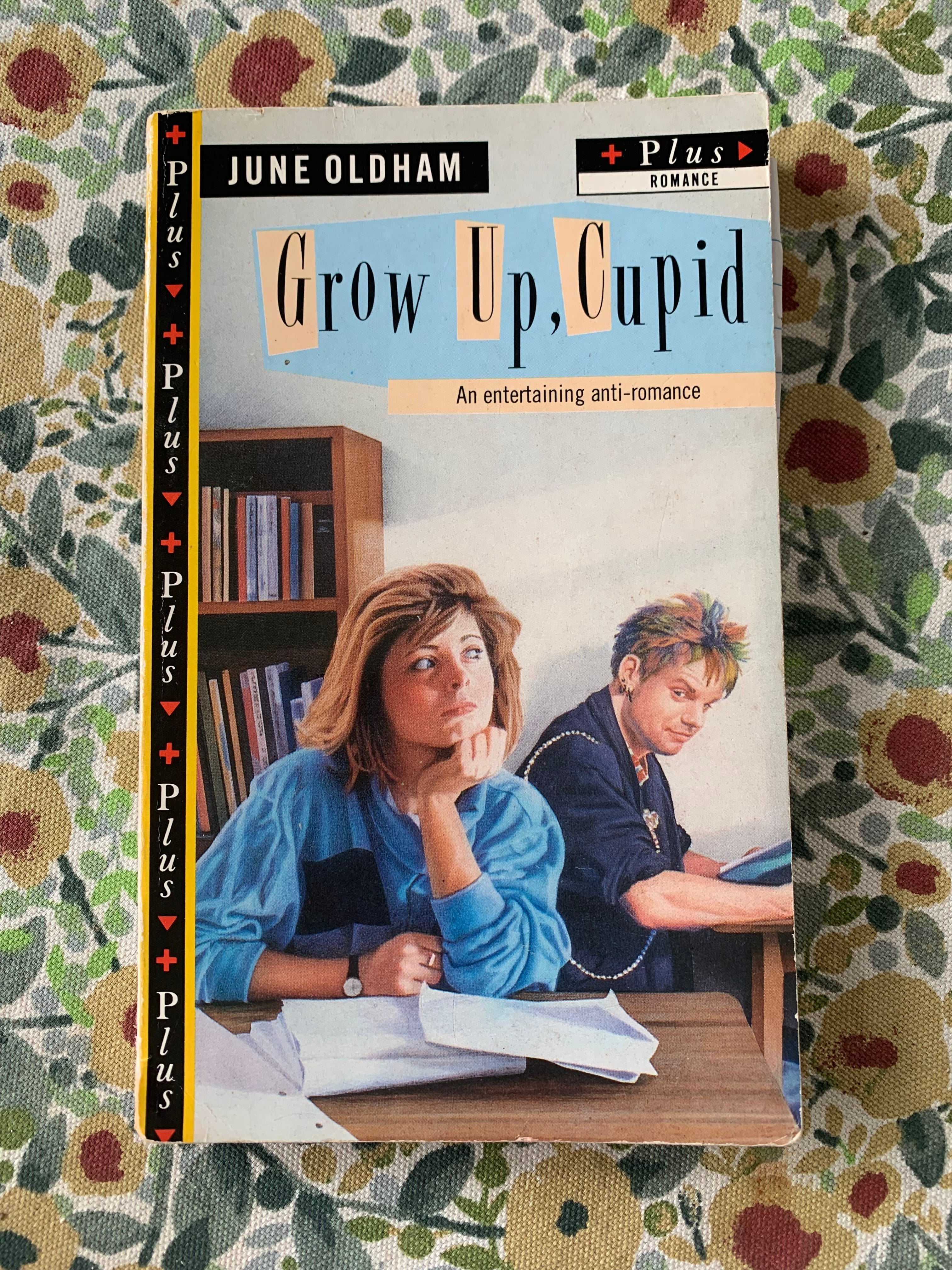
I loved and love it unreservedly, for containing the first genuinely witty, confident, ebulliently articulate teenage heroine I had ever known (vanishingly rare then, and still rarer than I think there is any excuse for now, but this is a topic we will have to come back to) in Mog. Bored of her boring boyfriend Keith, she swears off men and fills her time by setting up a creche at her new sixth form college so women can attend night classes, writing a romance novel, pretending to be an agony aunt, breaking the spirit of the college principal as thoroughly as she has her previous headmaster, fortifying her daydreamy best friend Josephine and - eventually and completely convincingly - falling in love with fellow student Bysshe, who is (again, first time I’d read such a thing, still rarer than it should be) properly worthy of her.
Oldham’s narrative voice - vivid, funny, gloriously and rhythmically committed to the subordinate clause - was and is a thing of wonder. I will limit myself to one quote, from the first page, otherwise I will end up typing out the whole book. Mog’s mother has just dismissed Aunt Edith’s assumption that Mog is changing schools to finish her A-levels because of trouble with a boy.
But the suspicion had found a vulnerable spot. Ever since the day Margaret [Mog’s full name] had been observed in the Infants’ Playground lifting her dress and showing her knickers to a circle of uninterested boys, Mrs Dermot had feared for her daughter’s morals. The subsequent twelve years spent in tremulous vigilance had done nothing to relieve her anxiety. Her hand shook as she offered Aunt Edith a plate of lemon curd tarts. Noting this, Aunt Edith took two and sniggered.
“Tremulous vigilance”. My heart. The whole book is like this. It’s just wonderful. And ineffably - although I hate this word - empowering on all levels for a teenage girl to read. (Boys had the equivalent in Oldham’s Enter Tom - do seek it out, like Grow Up, Cupid, on the secondhand market. Though I think I am now going to dedicate my life to getting Cupid at least back into print.)
Femonomics came out earlier this year and is a fascinating, granular look at how women suffer financially in all sorts of seen and unseen ways - the unseen ways and their deep, deep roots will drive you demented - that is still, somehow hugely readable and hugely fun TO read. If I were the queen, I wouldn’t give every Year 6 pupil a copy of the dreary Impossible Creatures to mark the end of the National Year of Reading - I’d give them a book token only to be spent on this as soon as they are old enough to understand it.
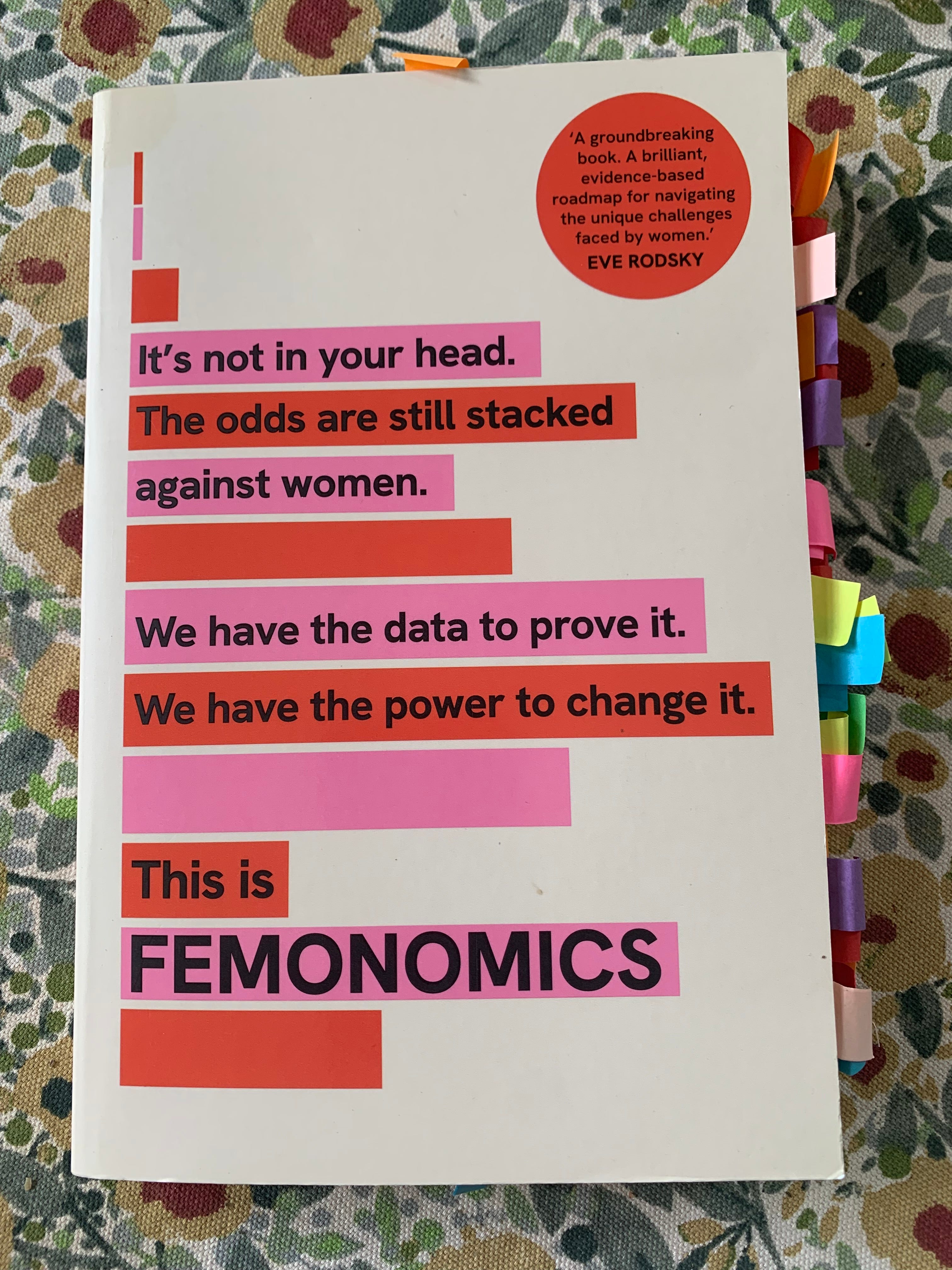
The tags are for an article based on the book, which I wrote for Good Housekeeping
Then they can move on to Who Cooked Adam Smith’s Dinner? and all will soon become much righter with the world.
A Skeleton in the Cupboard
I have begun A Great Reshelving (more on this, much more, next week) and have already been rewarded by the discovery of this 1979 banger:
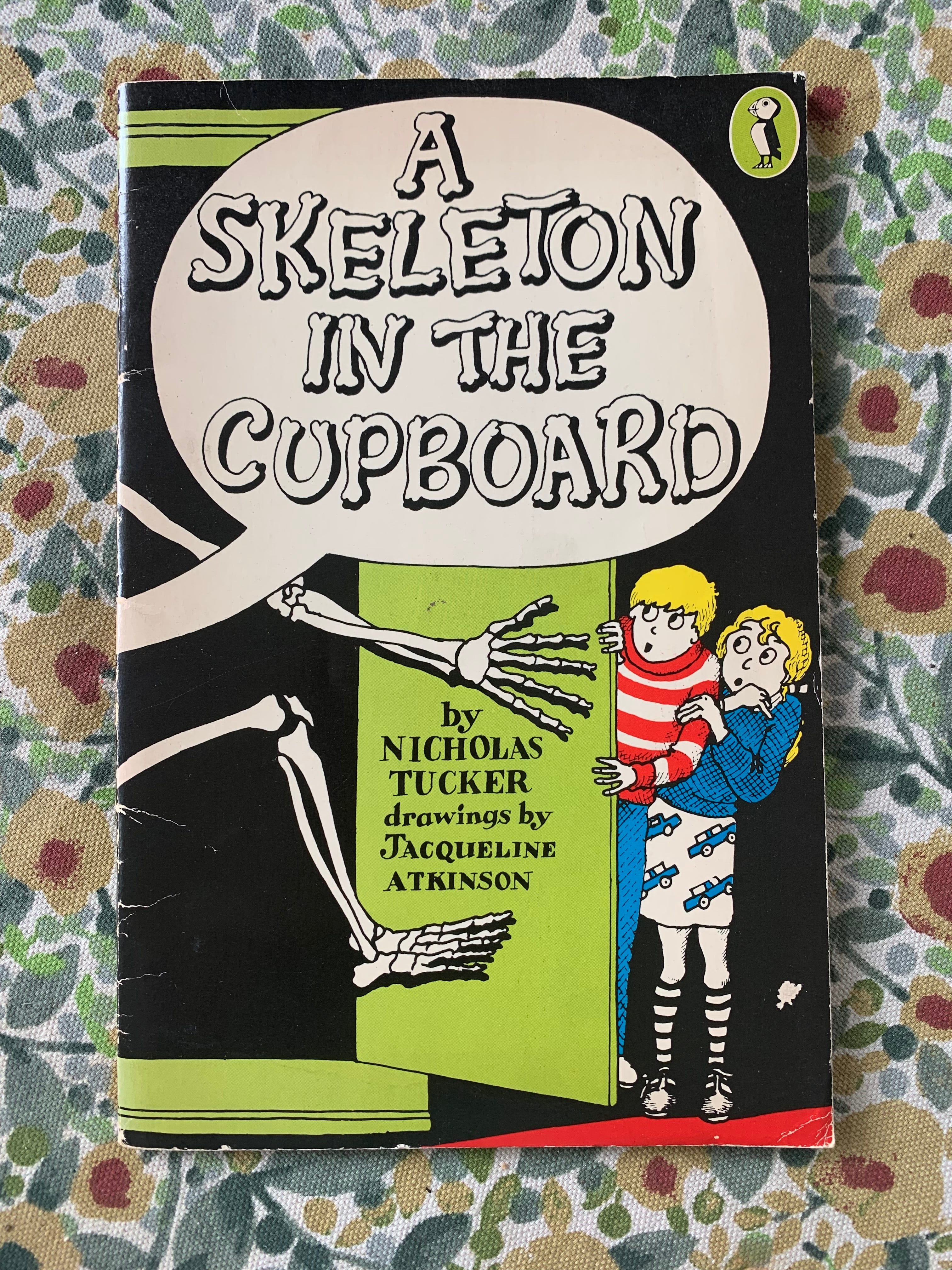
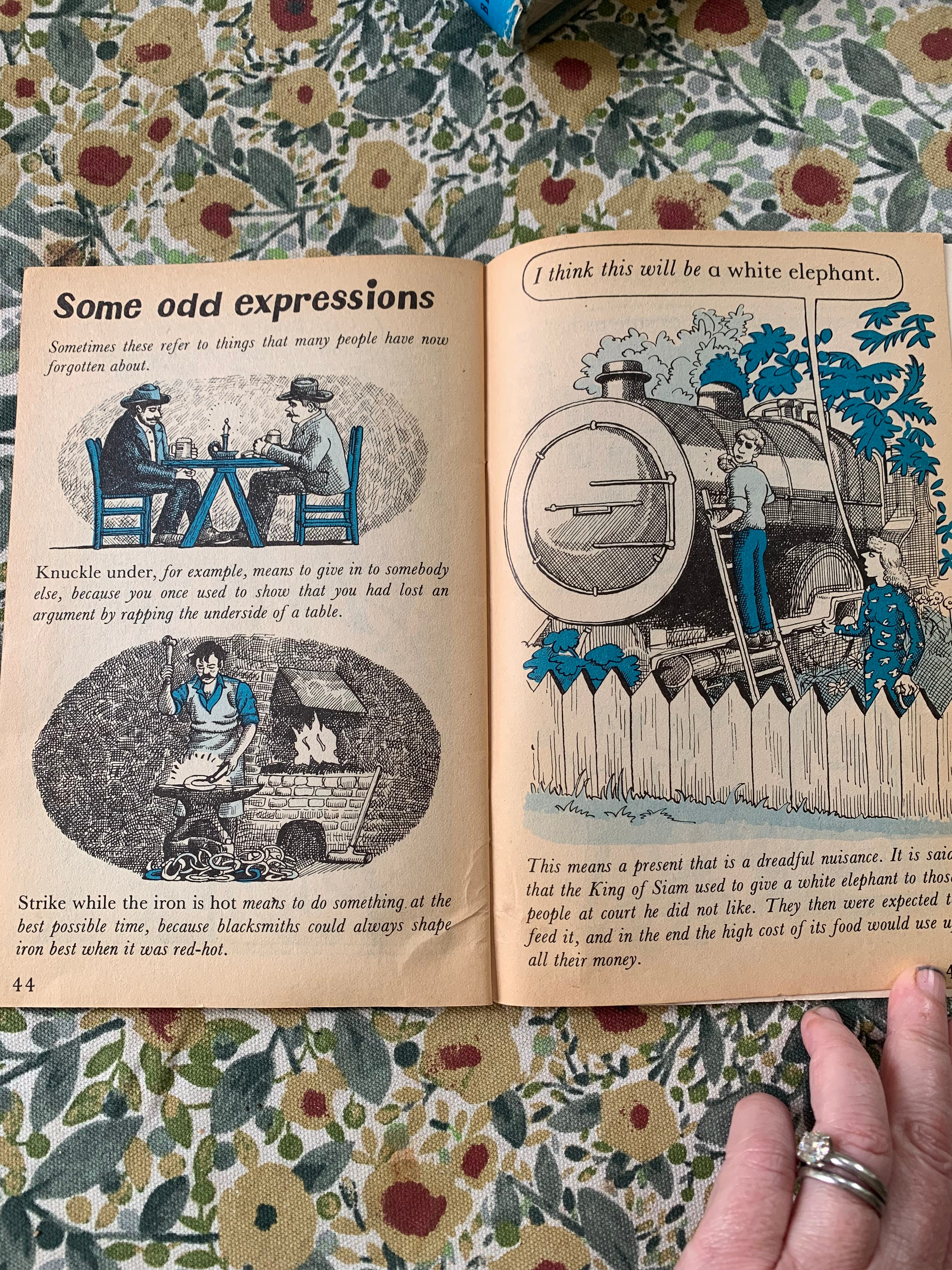
This was the book that made me realise - or rather, sowed the vital seed for later conscious realisation - that language was a fabulous, beautiful, endlessly fascinating toy. Written by the same Nicholas Tucker, I assume, who wrote The Child and the Book: Psychological and Literary Exploration, which became a key text for anyone interest in - well, the psychology of children and books/literature - it is a collection of famous sayings and very short, heavily-illustrated explanations of what they mean and then (the best bit) at the back, accounts of some of their origins. Suddenly, the words we used had a background, a story, a history of their own. Another world was suddenly opened up, by a flimsy 75p, 48-page Puffin Original - barely more than a pamphlet really - but the gateway to a million stories (how many words are there, anyway?) and a lifetime of deepening joy.
Non-Book Birthday Celebrations!
Got these from Uniqlo (via friends and family who had been carefully pointed in their specific direction) - the trousers in black and brown, the skirt in blue and black. Now, thanks to two of these dresses I bought years ago, I need never shop for summer clothes - the most hateful of all shopping - again!
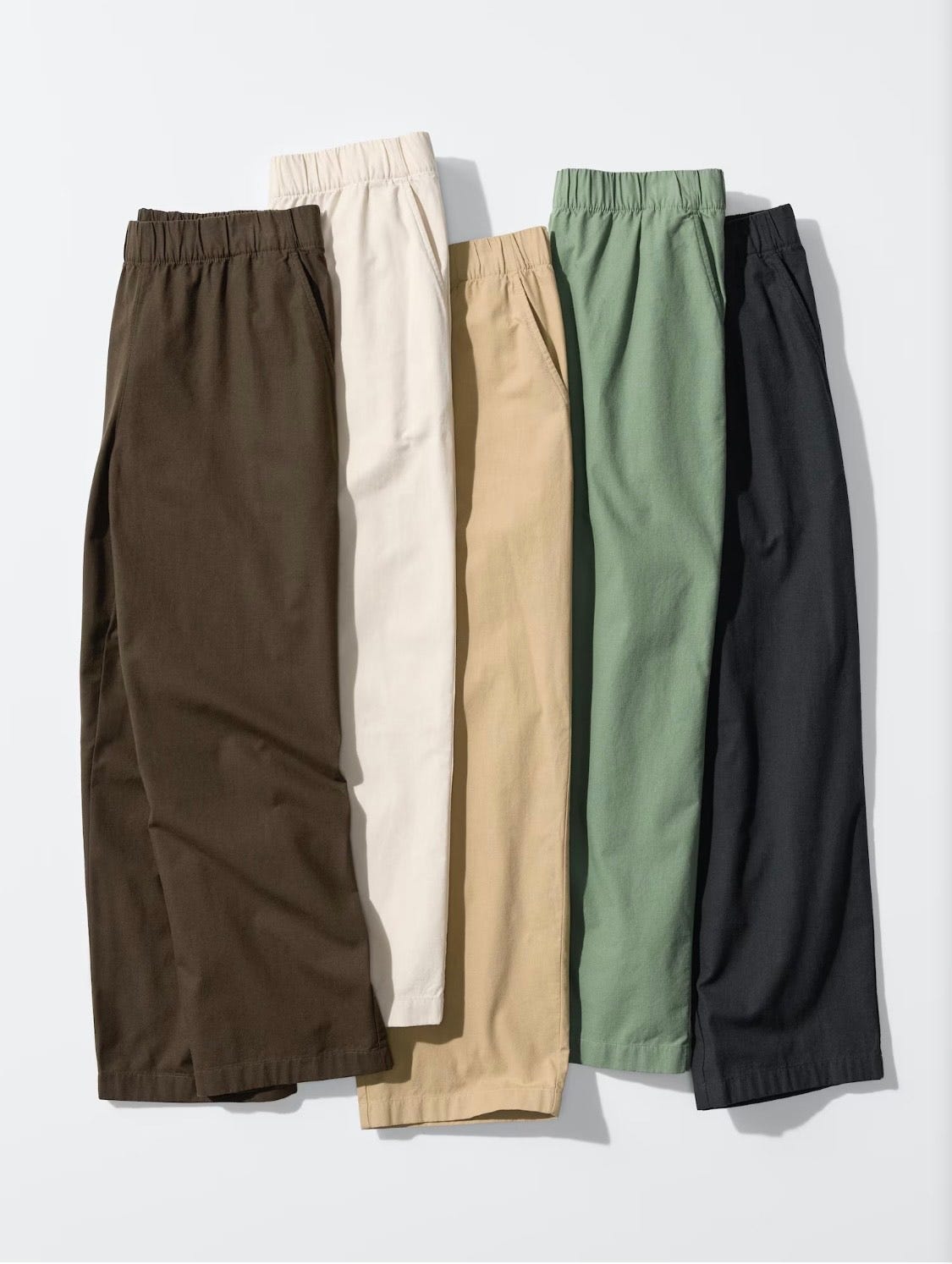
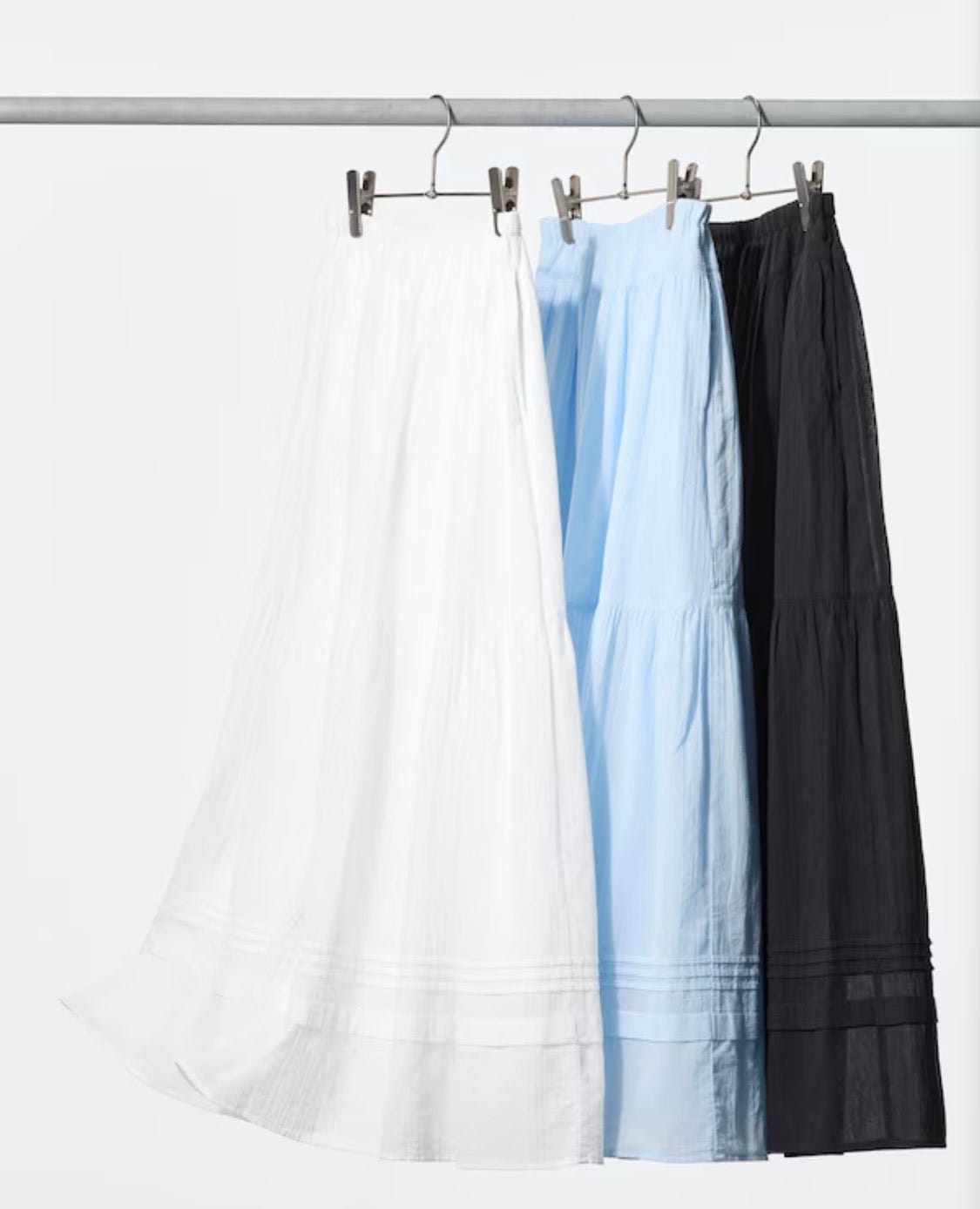
I saw this on Instagram, of all the rotten places, and fell in love. This so rarely work out, but I have been wearing it ever since - such a gentle colour on (“Invisible” say husband and son, and they are right but yet so wrong at the same time, and you will know exactly what I mean), and makes me feel so happy.

The Week in Books
As well as re-reading Grow Up, Cupid and Femonomics, I read Catherine Ryan Howard’s latest thriller in proof - Buyer Beware. CRH is always brilliant and this is so good. So very, very satisfying.
I bought these:
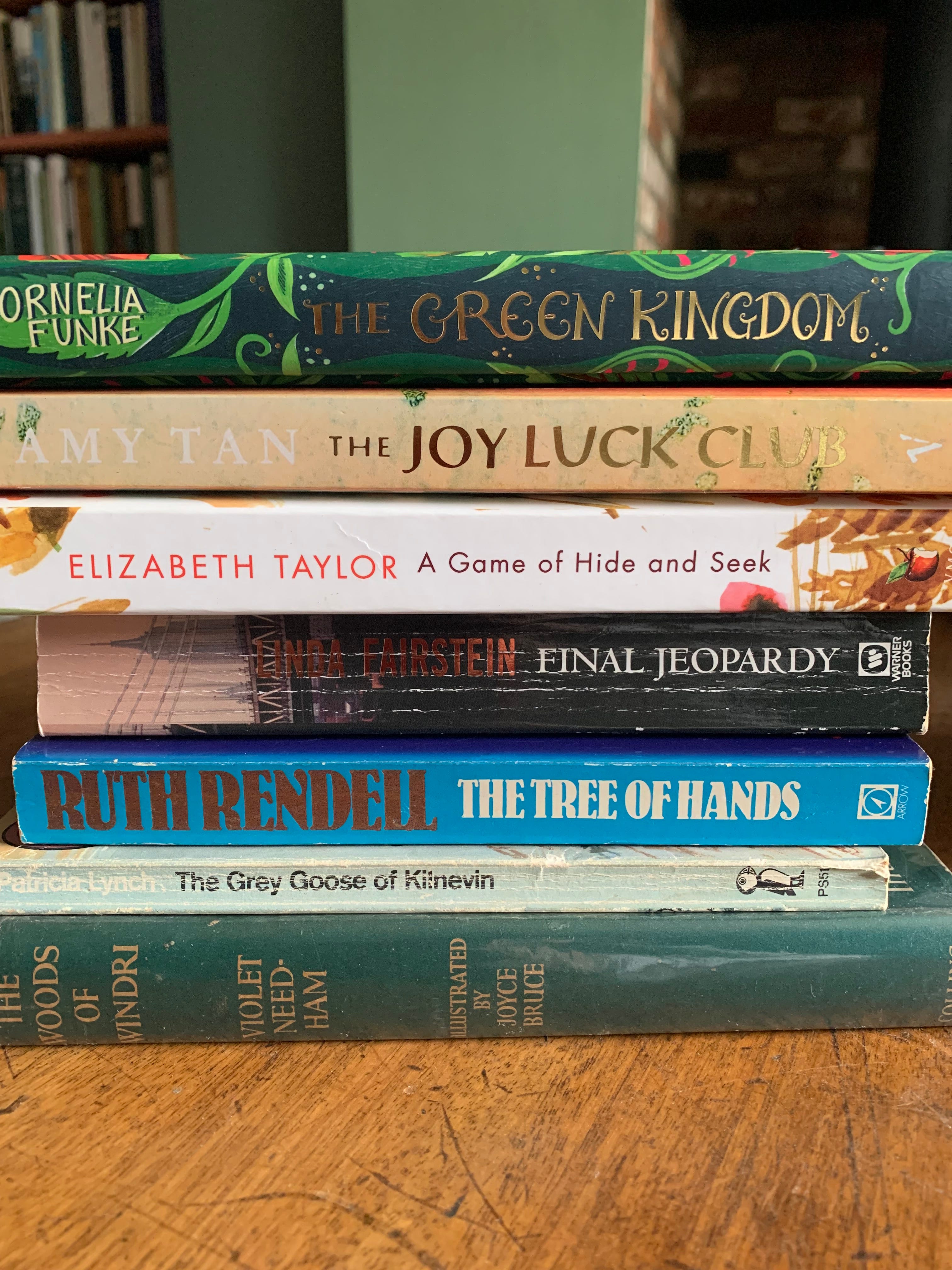
from Paper Moon and Brazen Head Books in Burnham Market but haven’t started any yet. It’s that life, work, family and feeding thing again, goddammit.
But I have started The Royal Game by Anne O’Brien because it’s about the Pastons and who doesn’t want to read a novel about the Pastons, especially while in Norfolk?
That’s all for this week! I hope you’ve enjoyed reading. If you have, please use any or all of the buttons below to share, subscribe in free or paid form, or buy one of my books. And thank you, as ever, to all of you who already have or do. I am SO grateful.
Love,
Lucy
How many books is too many? When I was working I found a beautiful set of the Palliser novels in a charity shop - OUP hardback editions on India paper, pristine condition. I visualised retirement, sitting in a Queen Anne chair, sipping a dry sherry & reading Trollope. I retired 24 years ago & I still slump on the sofa, drinking wine & watching streaming services (Ride or Die! So fabulous!) But I will die on the hill of my Pallisers. (Meanwhile, I cannot cope with a human called Mog. There is only one Mog and she sees you from cat heaven.)
Pamphlet comes from Pamphilus, a 12th-century Latin love poem so widely copied it became the word for any small unbound publication. A cheap Puffin book carrying a secret etymology on its cover.